A farm workers’ cottage by the sea
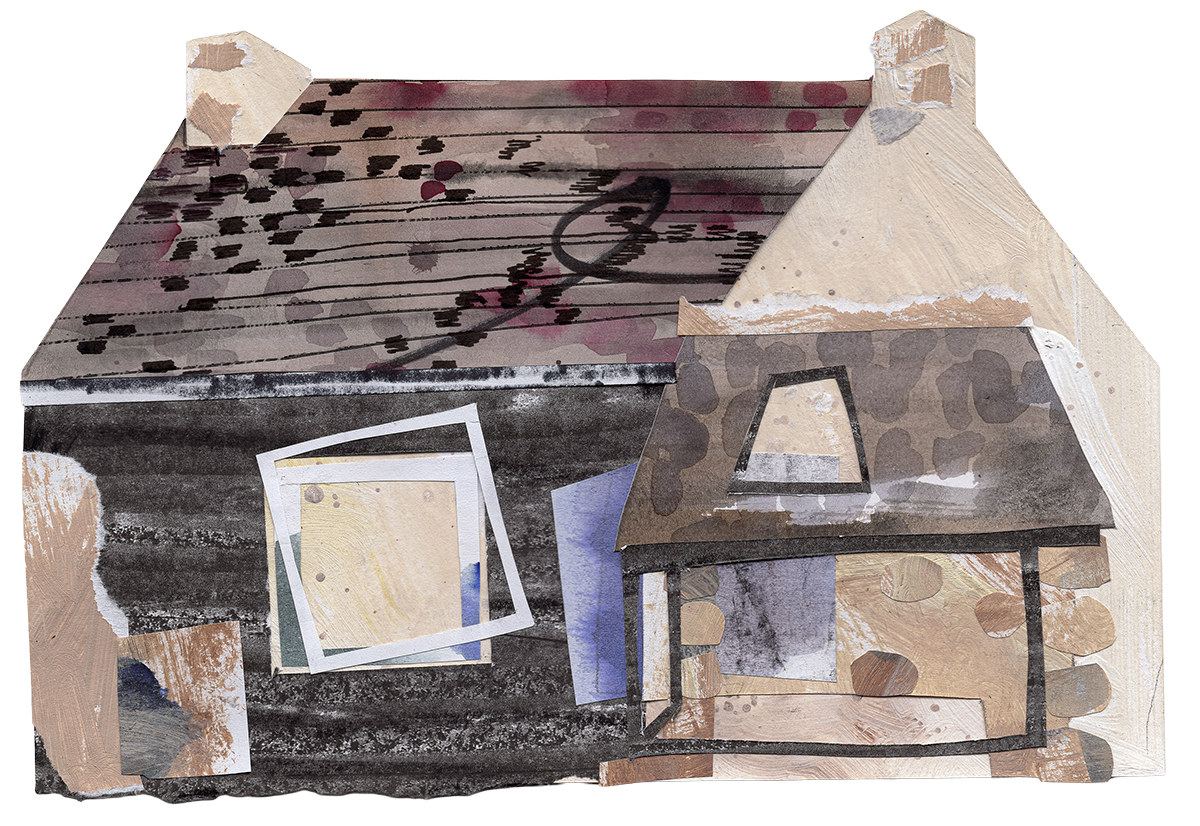
TURNER is a traditional farm worker’s cottage, and one of the oldest properties in the village. It belonged to Embleton East Farm which was located at the top of Sea Lane, overlooking the quarry.
We have renovated the cottage by taking it apart to install a modern air source heat pump and a very high level of insulation. We have retained as much of the ‘old’ as possible when putting it back together. Original floorboards were carefully relaid, doors rehung, window sills and joinery preserved and restored.
There are layers of paint on some of the old doors, you’ll find some dings and imperfections - they all tell a story of what’s gone before.
This Emble Press issue expands on some of the stories held and told by artwork, objects and other features of the cottage.
why turner?
We named the cottage Turner after the artist, JMW Turner, whose tours of the north made in 1797 (at the age of 22) and 1831 resulted in a collection of sketches that formed the basis of more than 50 major oil paintings and watercolours, and some of his greatest works.
You’ll find lots of references on the walls of the cottage, and a super book by David Hill titled Turner in the North. In 2019, a brilliant national tour (Turner: Northern Exposure) followed in his footsteps over 250 years later bringing Turner’s northern collection to the Granary Gallery in Berwick.
Many consider Norham Castle, Sunrise, part of this body of work, to be one of the highest points in his career, a print of which hangs above the fireplace in the living room.
Our personal favourite is Dunstanburgh Castle sketched from the north side. Of course, the castle is especially relevant to us here in Embleton with it being in view on the horizon, where we look towards it from the north, as Turner did.
We also recommend the biographical film ‘Mr. Turner’ dramatising the last 25 years of his life, starring Timothy Spall.
The artists
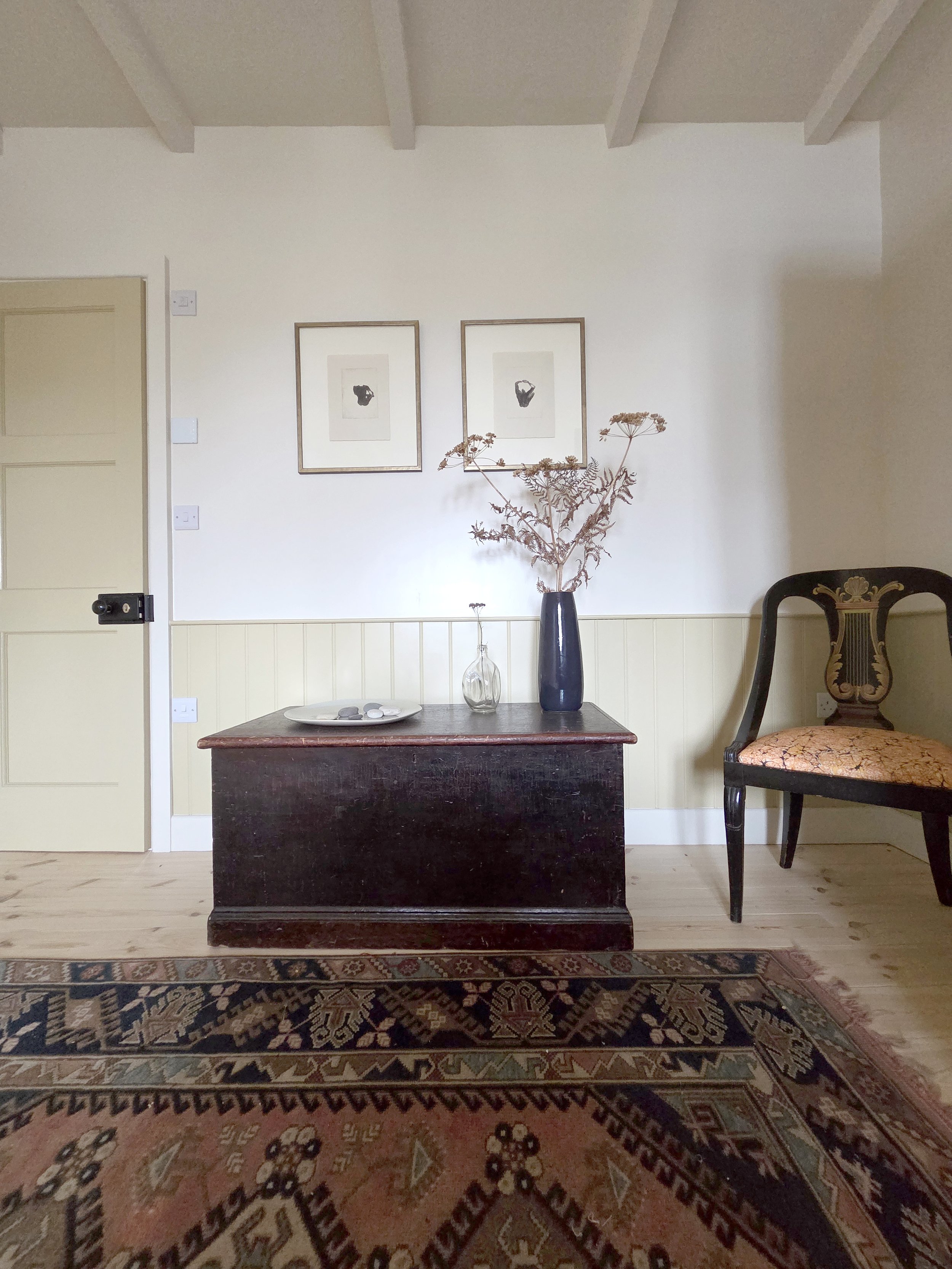
-
Lucy studied water-based woodcut (Mokuhanga) and book arts in Japan. She is a founding member of the Mokuhanga Sisters collective, and lives in Northumberland where her practice centres on charting seasonal shifts with paper and print.
Lucy sometimes leads workshops at Northern Print in the Ouseburn in Newcastle. (Their programme of workshops is really good and caters to all skill levels - check it out!)
-
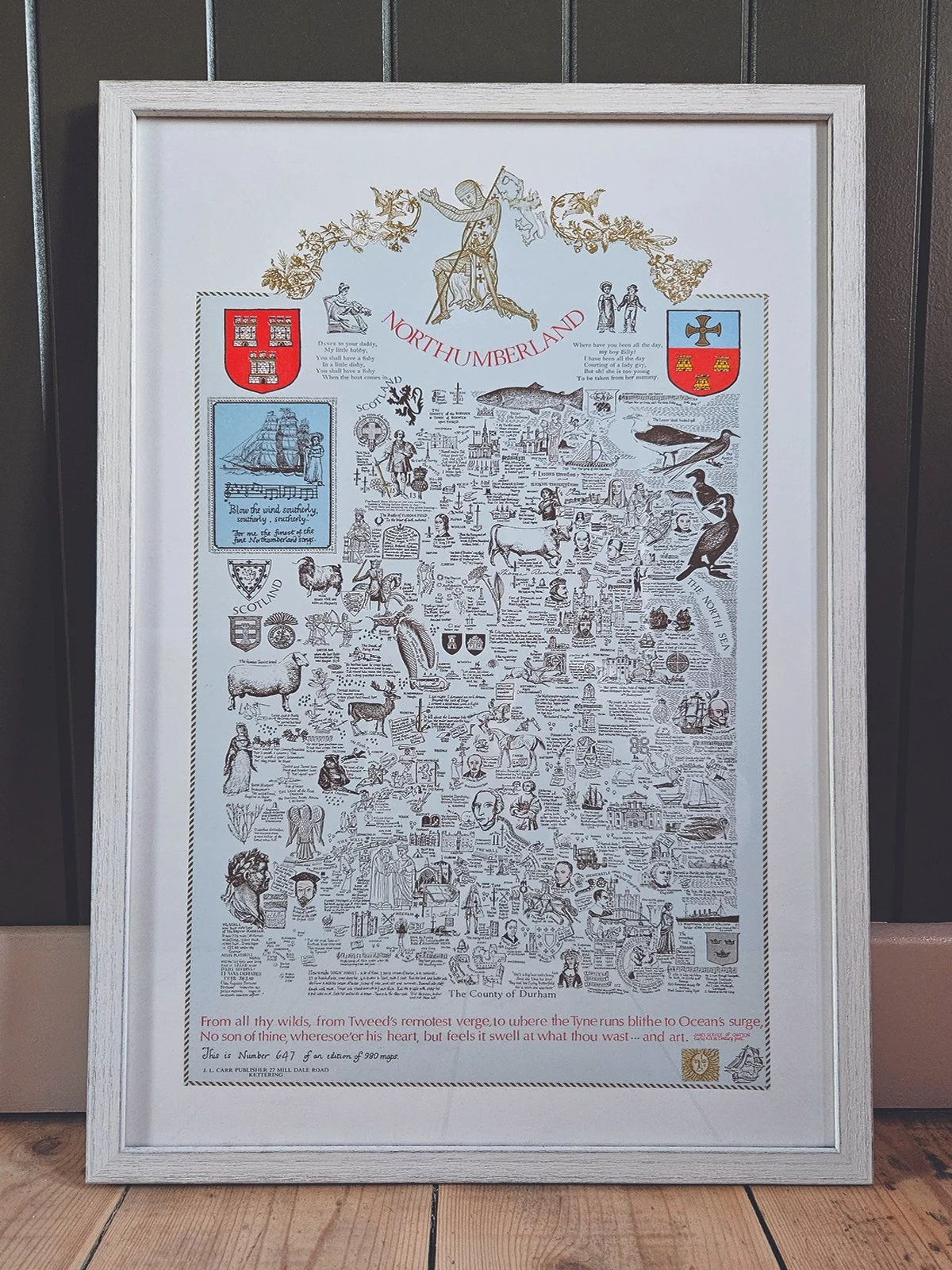
James Lloyd Carr is best known as the author of A Month in the Country. The 1987 film adaptation of the novel starred Colin Firth and Kenneth Branagh (in his first ever role).
We like maps and Carr’s hand-drawn county illustrations are irresistibly unconventional. He made one for every county and his map of Northumberland hangs in the living room. It’s available from The Quince Tree Press along with his brilliant, eccentric pocket books, some of which are also in the cottage.
Miles Jupp discusses the extraordinary life of Carr on Great Lives, Radio 4. Listen to the episode here.
-
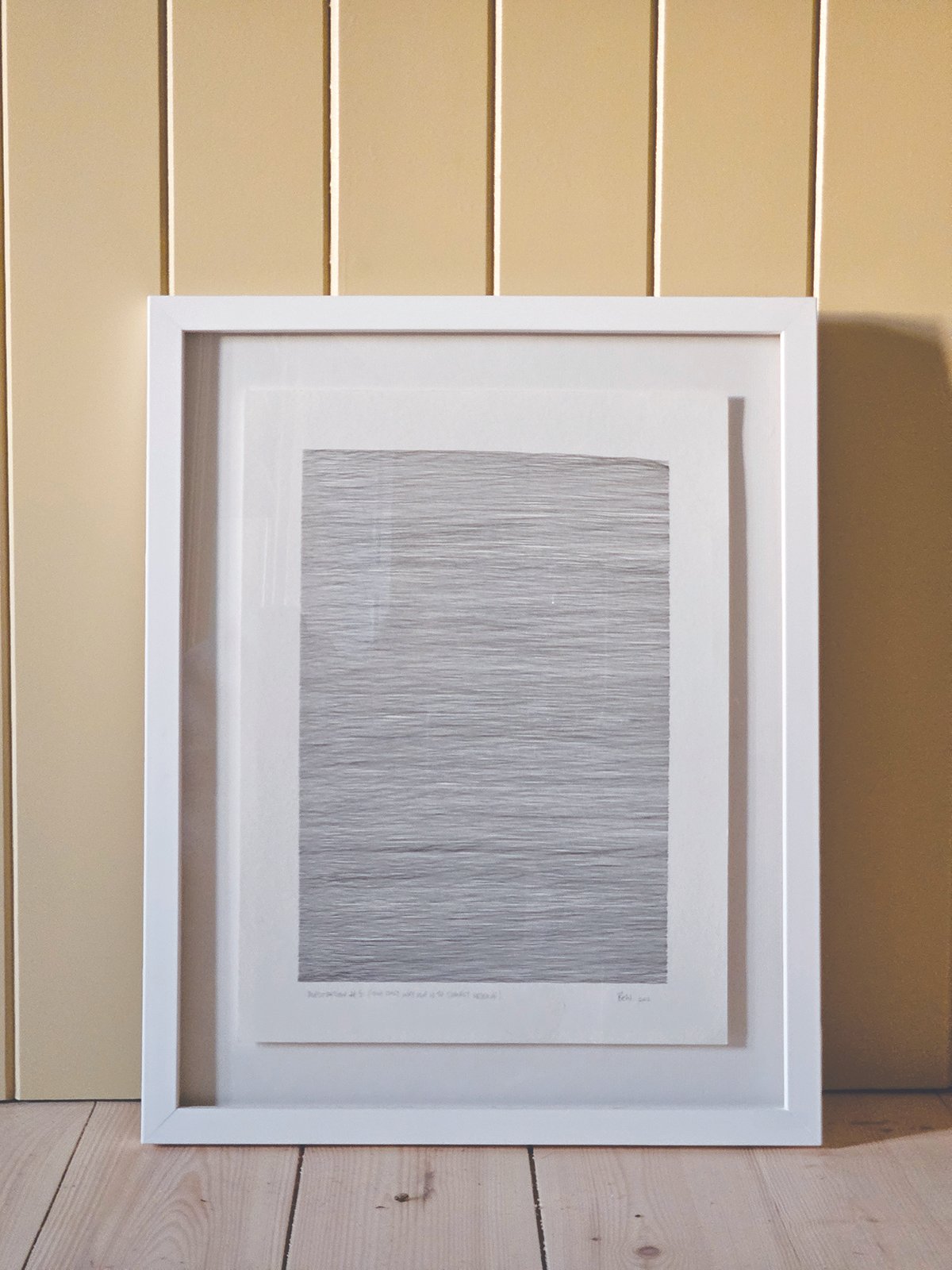
Artist and meditation teacher Ben Lewis’ ongoing series of pen and ink drawings connect his creative and meditation practices. Each line is a meditation – drawn with attention, spontaneity and in response to the pen, the paper and the previous line, rather than responding to acquired knowledge or conditioned patterns and forms.
See also Agnes Martin who used pencil lines and subtle washes to create expressive abstract works.
-
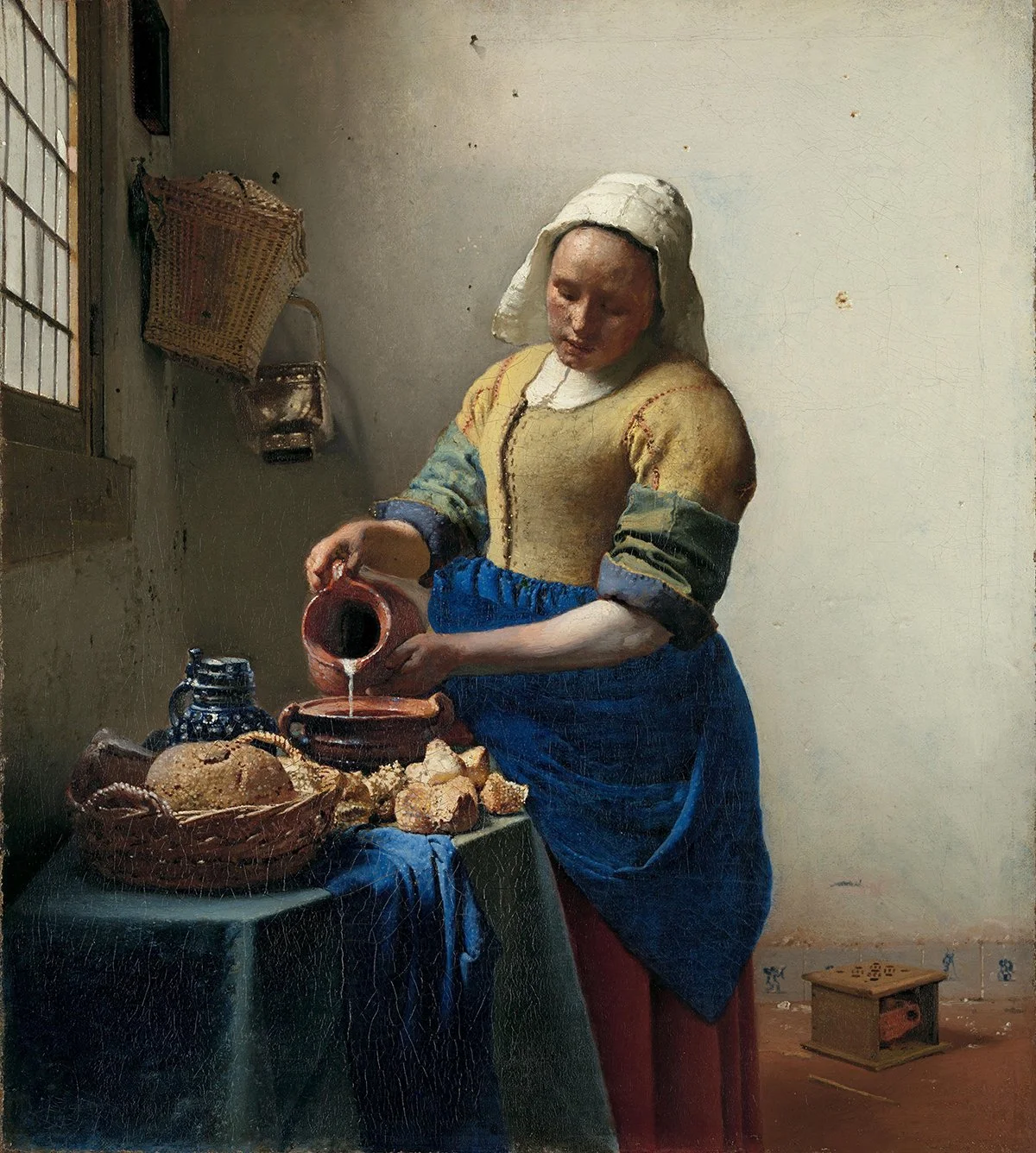
The framed print in the cottage kitchen references a landmark exhibition at the Rijksmuseum. The detail is a tiny fragment of The Milkmaid (above). We grew up on a dairy farm, so it carries that relevance, too.
See more at: Rijksmuseum
-
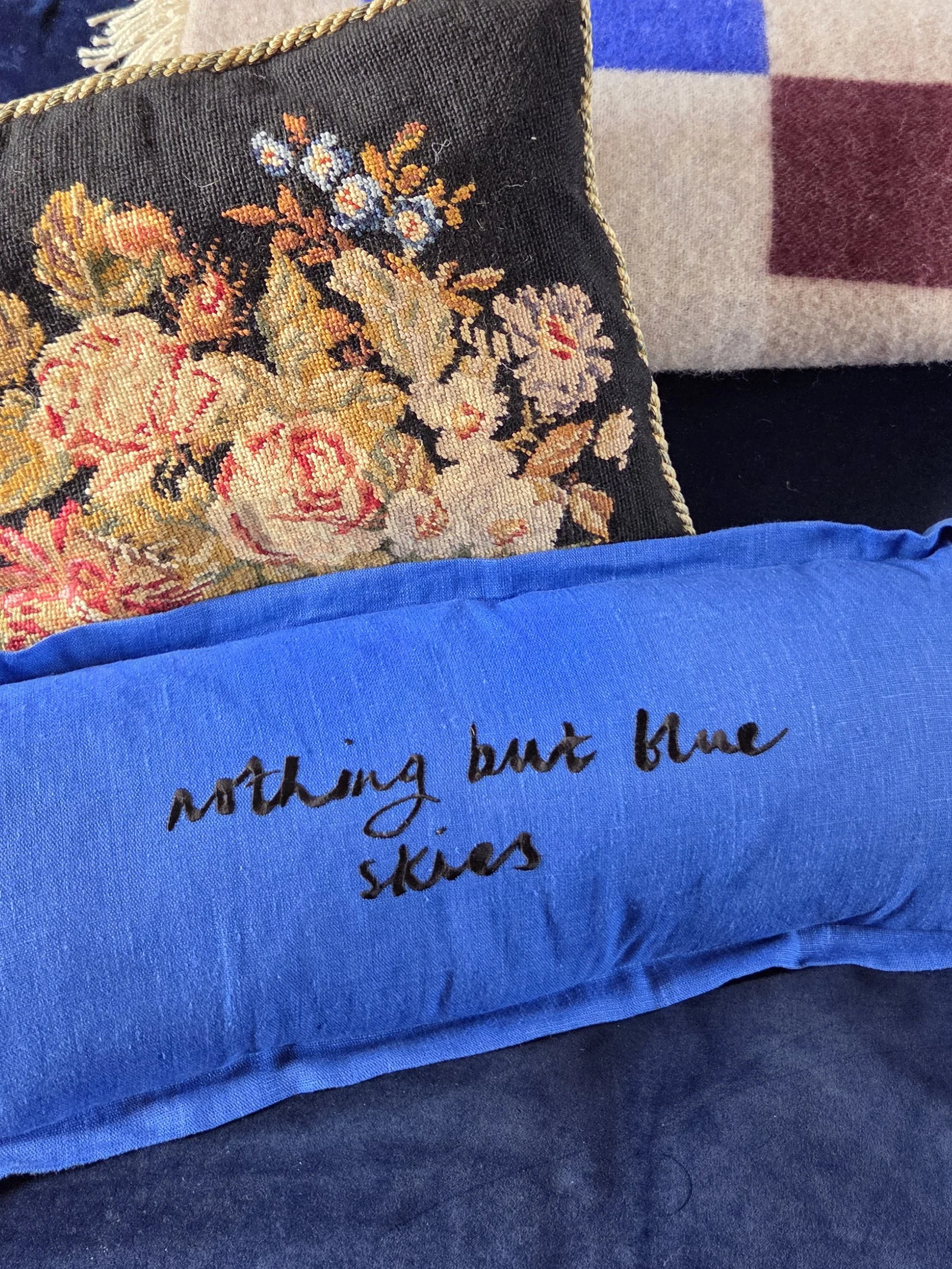
You’ll notice a few nods to International Klein Blue (IKB) in Turner Cottage. We like how it contrasts with the Corten garden gate - rusty earth with blue sea or sky. Yves Klein solidified IKB’s place in history with his audacious Anthropometry paintings and monochrome works.
See more at tate.org.uk
craftsmanship
-
A charity providing paid, professional craft opportunities to people in prison as they strive to rebuild their lives and non-criminal identities.
A few of the cushions in our cottages have been made by people in prison. Their names are on the labels that we have left on so you can see the story and purpose inherent in each piece.
Find out more on Instagram @finecellwork or website.
-
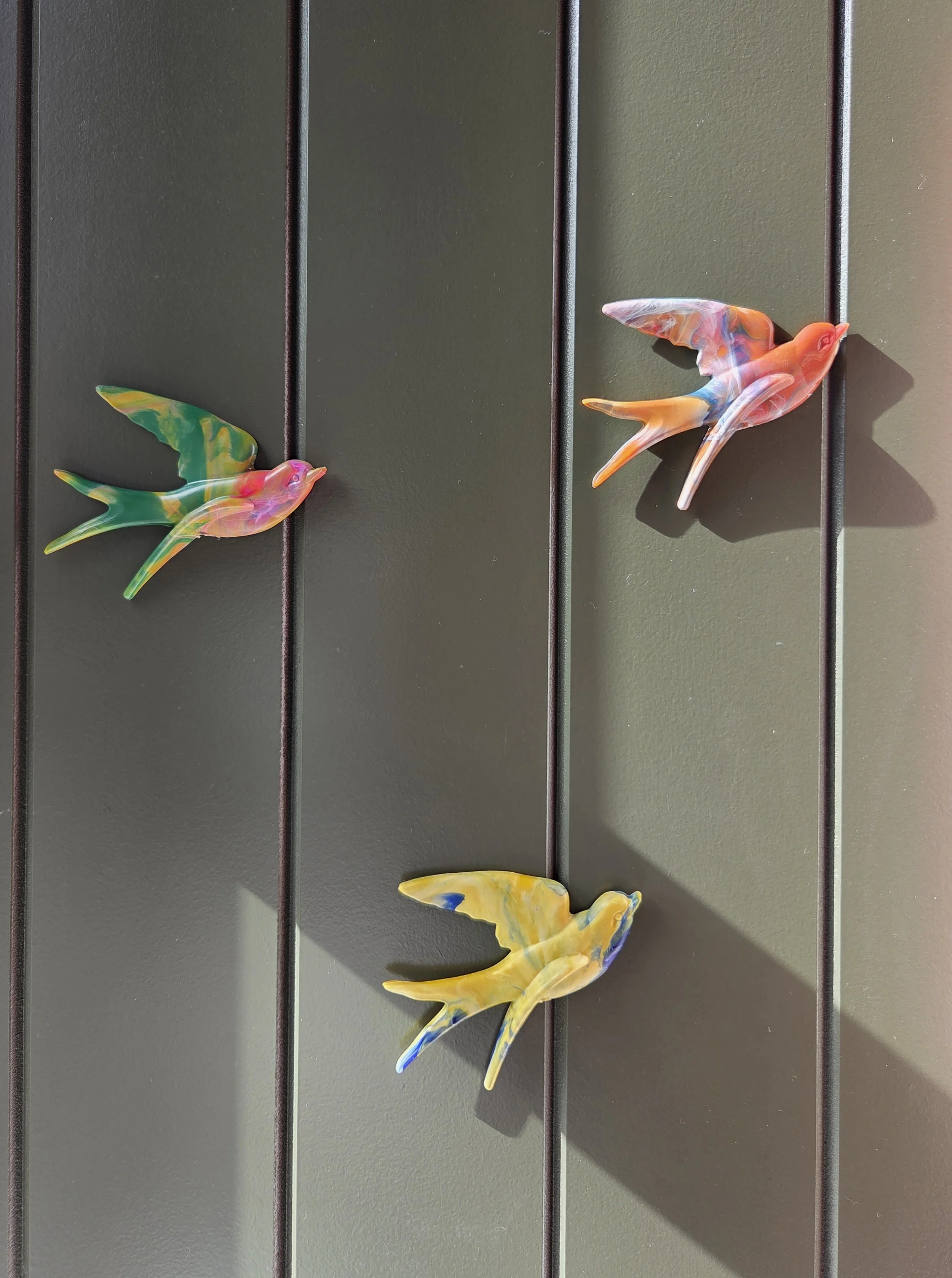
Made using discarded beach and marine plastic, a collaboration between Anna Campbell-Jones (interior designer and judge on Scotland’s Home of the Year) and Ally Mitchell, a commercial diver devoted to clearing ocean plastic from Scotland’s shores.
The swallow is a nostalgic motif, symbolising hope, homecoming and resilience. Sailors’ swallow tattoos signify loyalty and safe return from long journeys at sea.
See Lucky Swallows website.
-
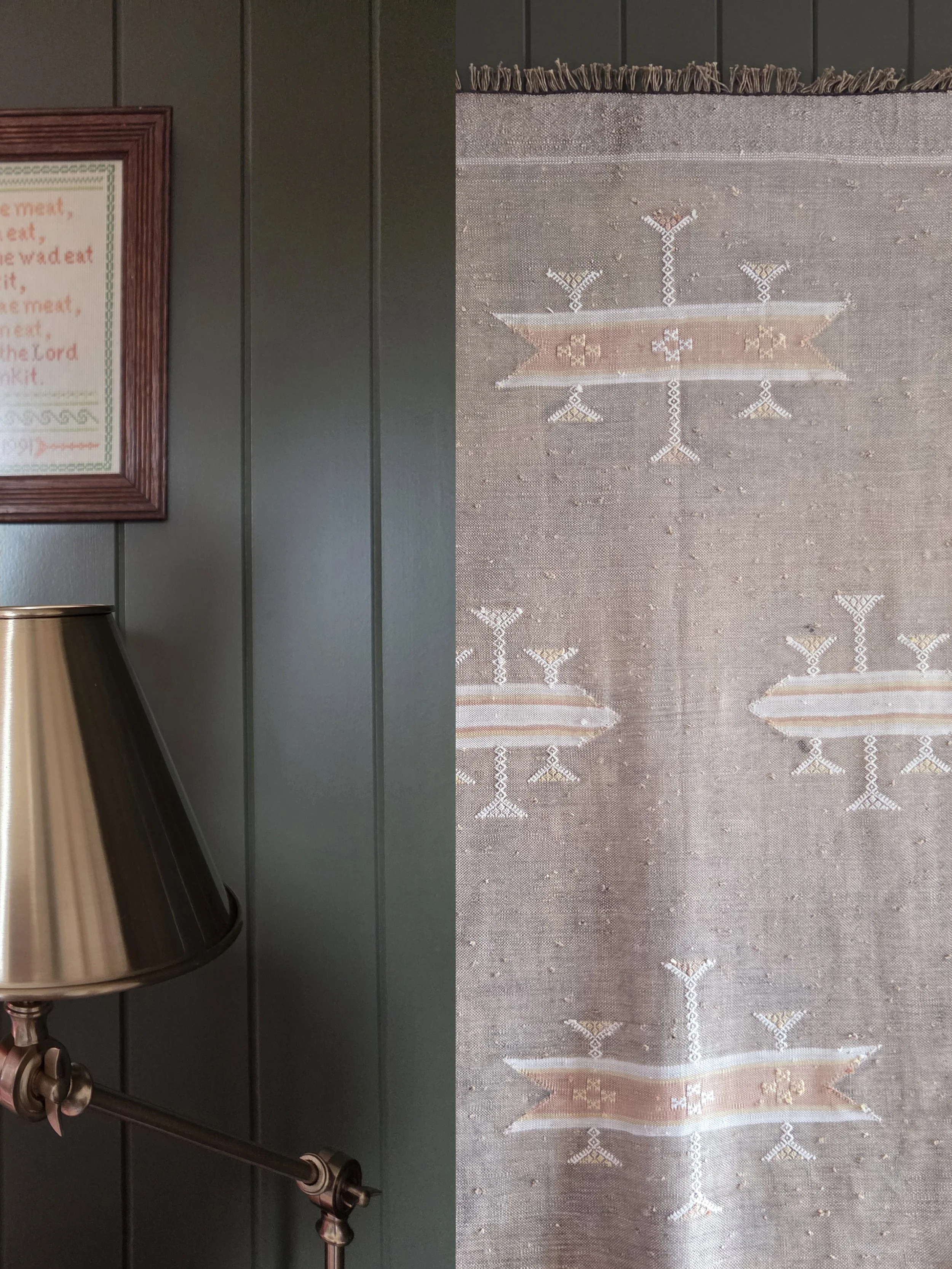
The textile piece on the living room wall is made from cactus silk - a plant-based silk harvested from agave cacti in northern Morocco. Traditionally, cactus silk is hand woven by the Berbers in the Atlas Mountains.
-
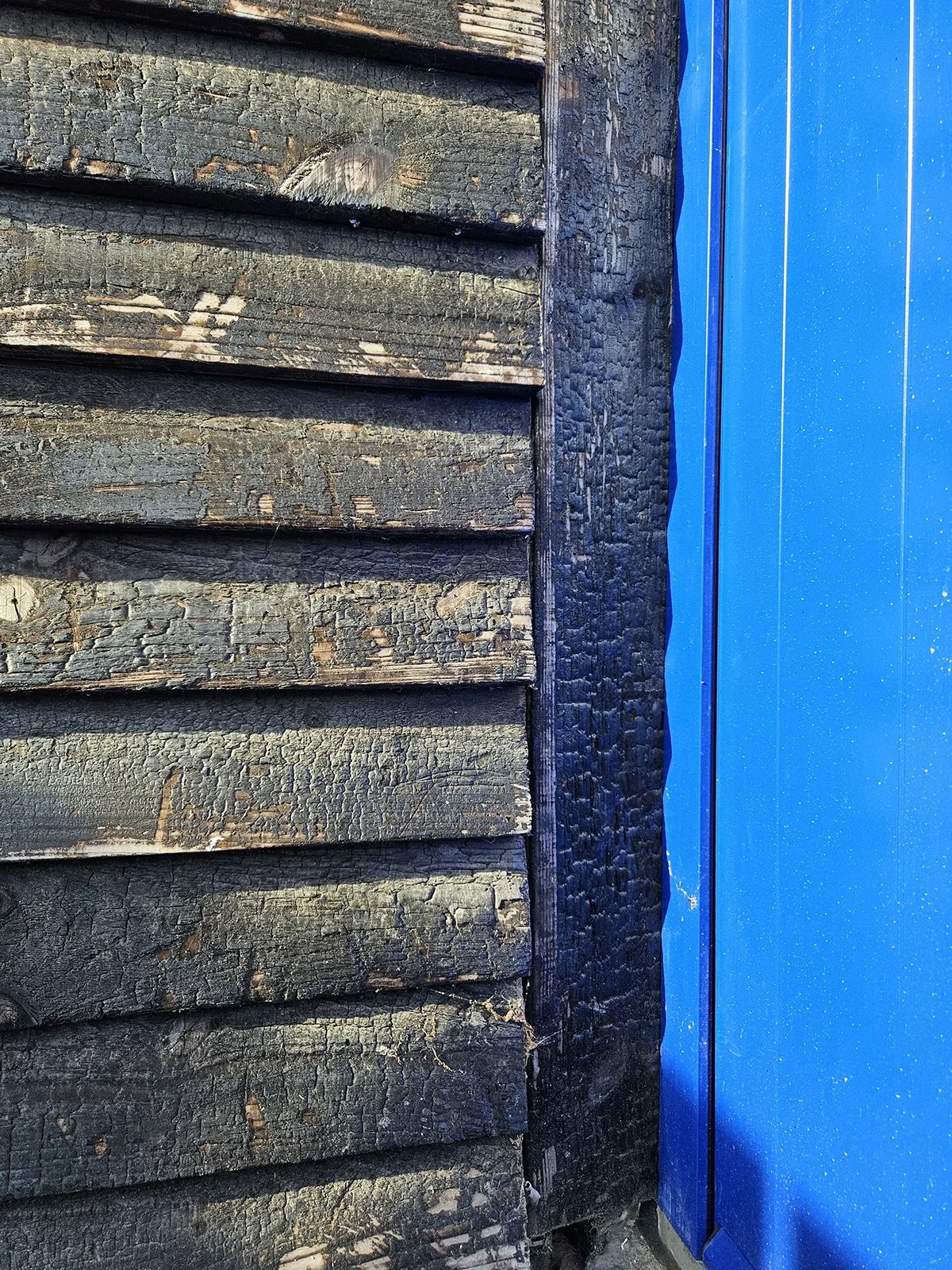
Inspired by the Japanese technique Yakisugi (sometimes referred to as Shou Sugi Ban), we experimented with charring the spruce cladding at the rear of the cottage, turning it black.
The idea is to burn off the softer tissues in the wood leaving a hard surface made of tougher lignin fibres that is waterproof and able to better withstand the weather.
nature’s palette
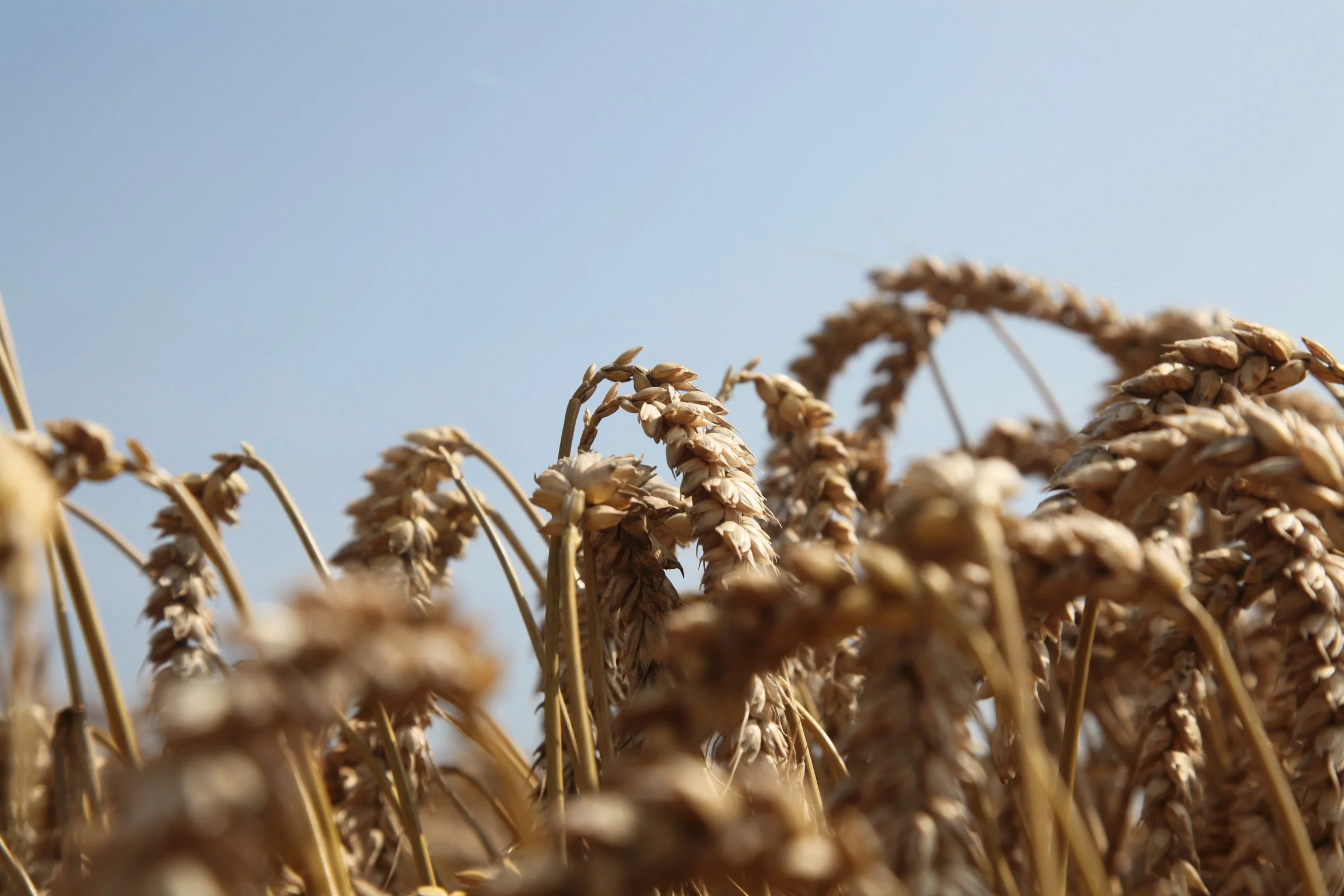
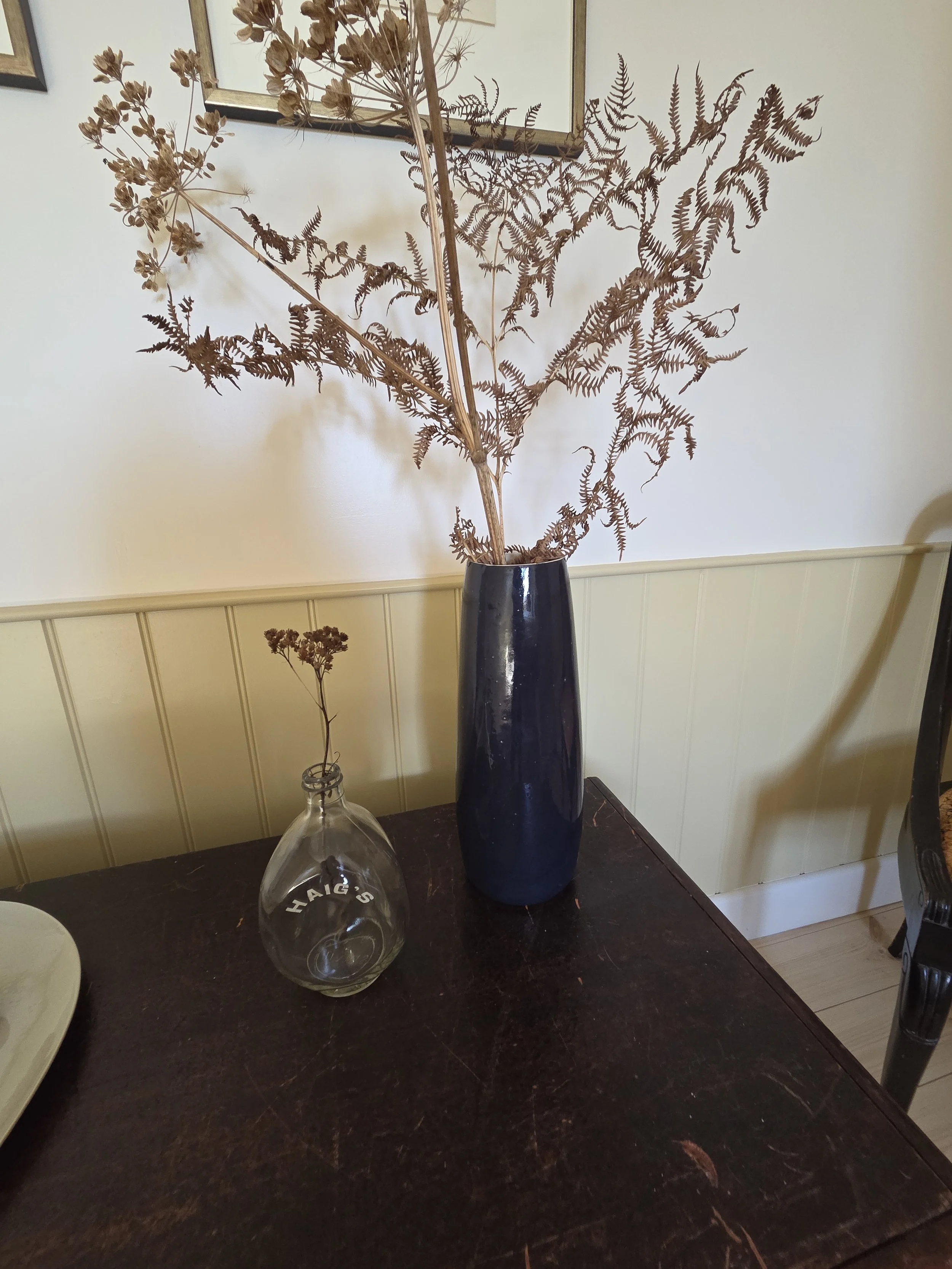
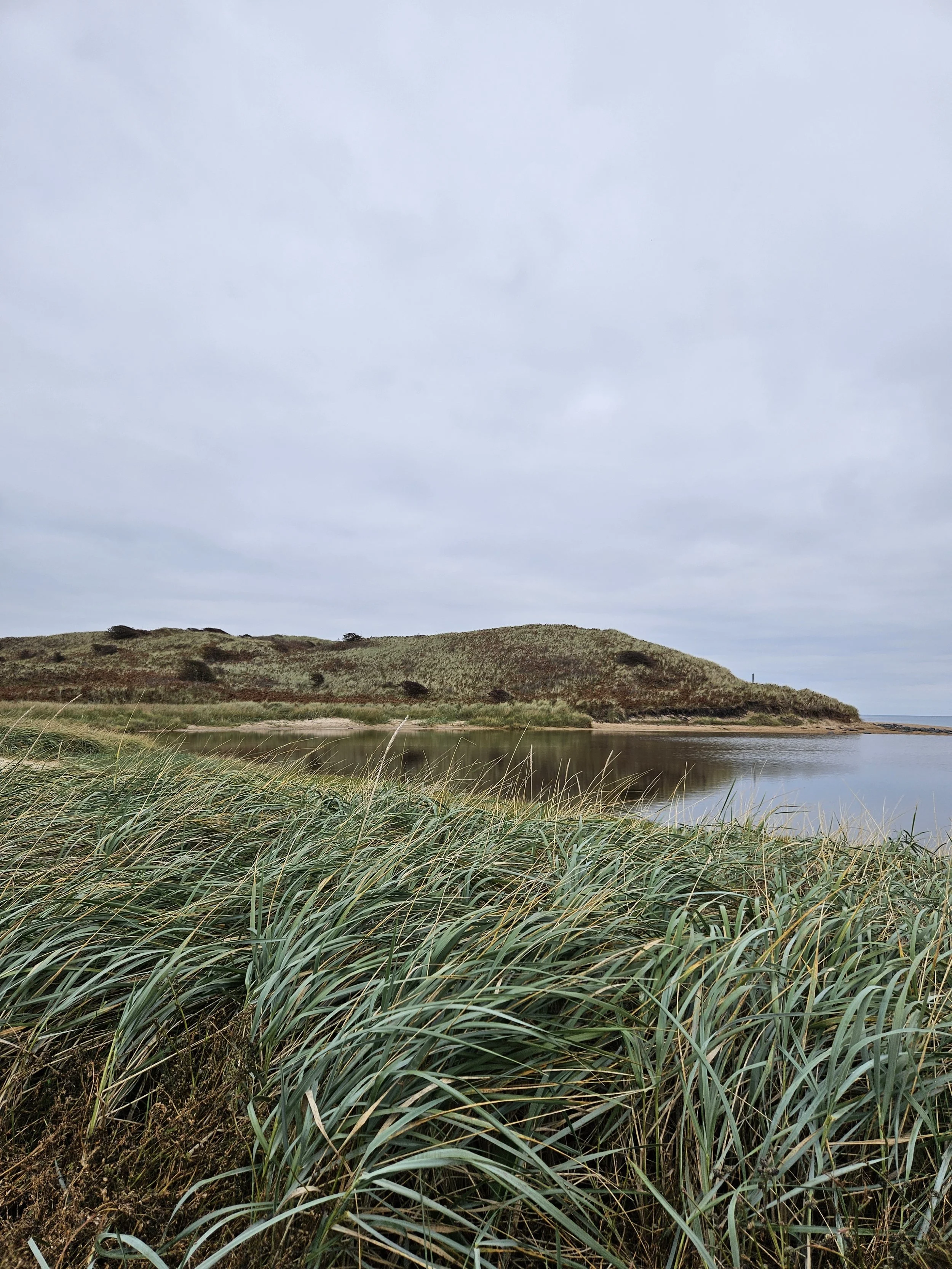
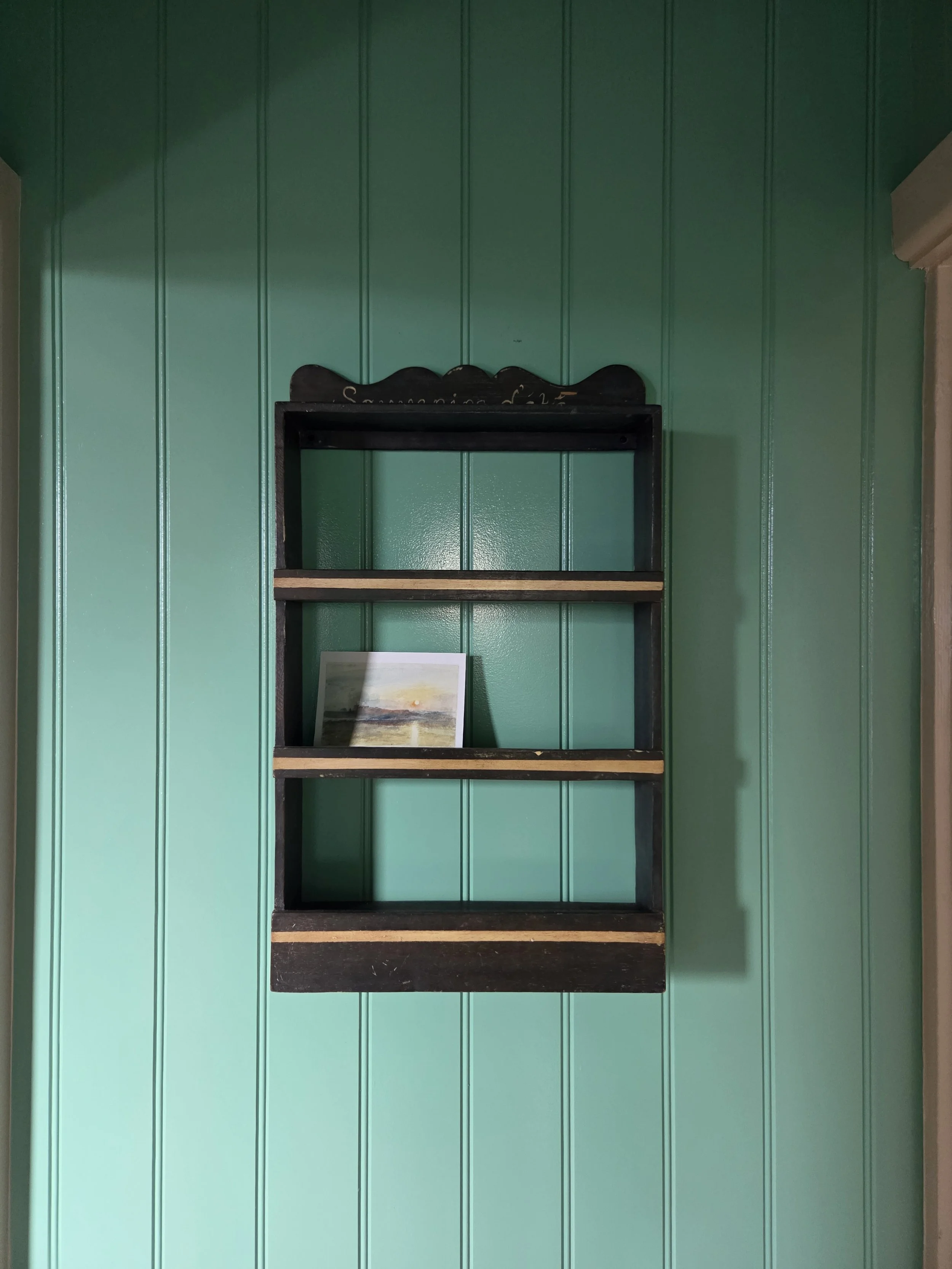
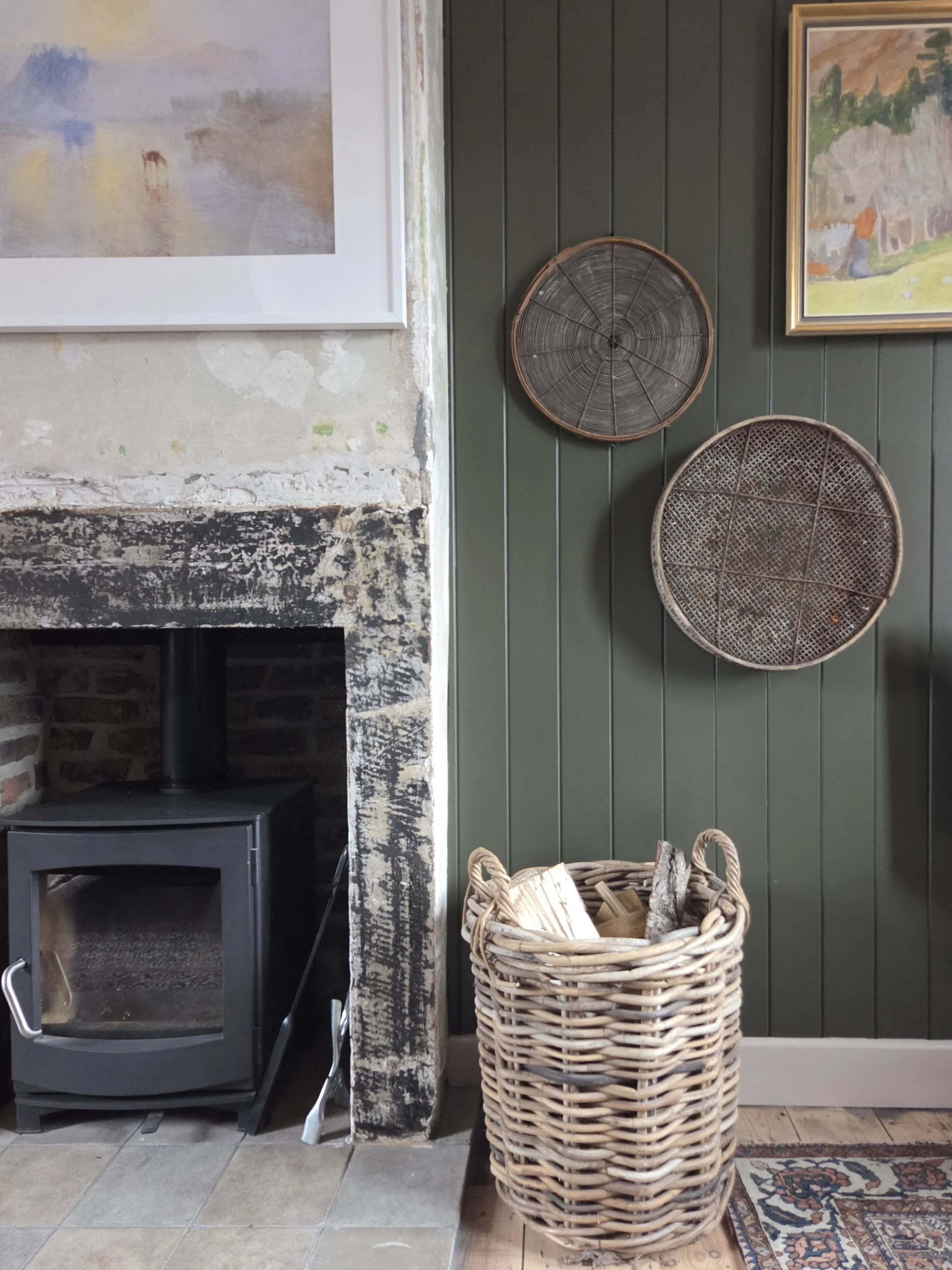
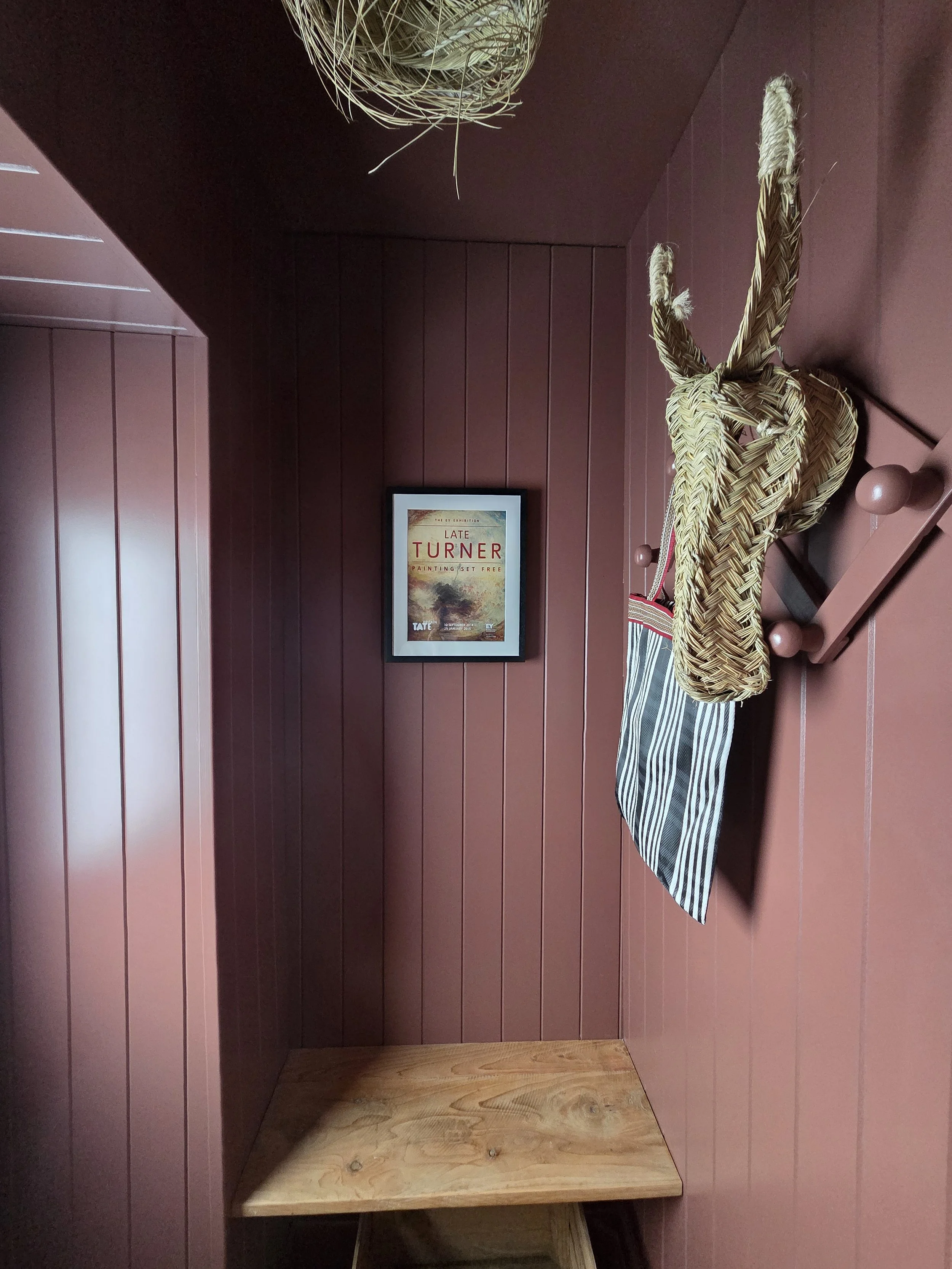
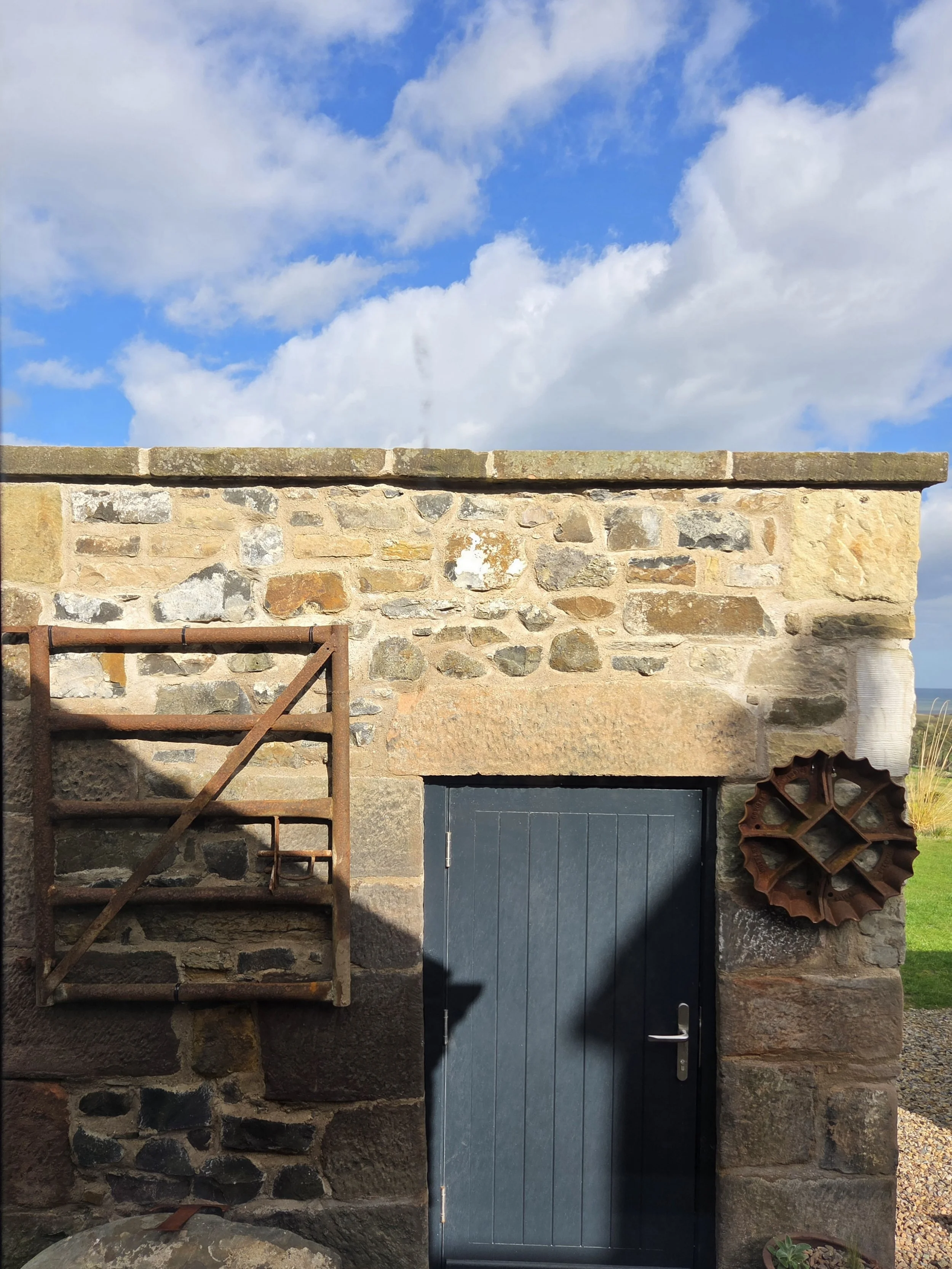
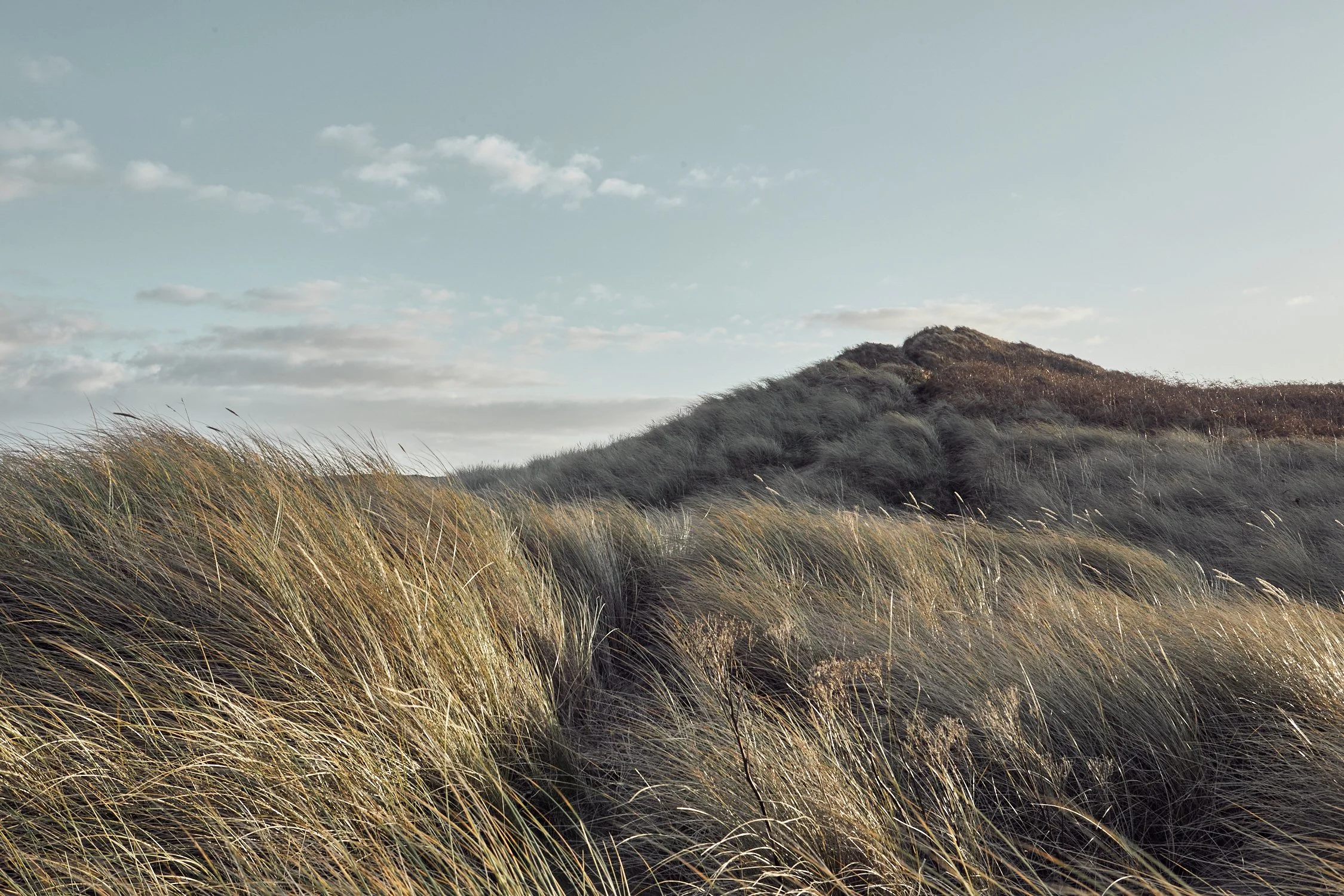
Many of the colours in Turner Cottage have been inspired by the landscape around us. Among them - hay harvested in summer, vivid seagrass on the dunes, drab, grounded green, rich earth, blue sky and weathered steel.
garden
The garden at Turner and Calder has been designed to blend with the landscape beyond, planted with a diverse mix of grasses, small flowers and shrubs.
We aim to make it wildlife-friendly, supporting our local ecosystem. You might see barn owls quartering the garden at dawn and dusk, kestrels in the old orchard in the field below the garden and buzzards gliding in the dene beyond that. We’d love to hear about anything you spot. Leave us a note!
We call the glazed outhouses Reading Rooms because of our love of books and our literary charity Emble Arts’ project Books by the Sea. Also referred to as a Huff House - for having a quiet moment to yourself. You may or may not be in a huff, but that’s the reference. You might also know of the Huf Haus factory in Germany. These ones were made here, not there!